From Hydro to Microneedling: Decoding Modern Facial Treatments for Radiant Skin
Search “facials near me” today and you’ll get a wall of options that would have sounded like science fiction a decade ago: hydro facials, microneedling, oxygen infusions, LED light therapy, radio frequency toning. The old “cleanse, steam, extract, mask” routine hasn’t disappeared, but it’s now just one option among many, each built around a different mechanism for getting results. This guide is here to make sense of that menu — what each treatment actually does, who it suits, and how to pick the right one for your skin.
What Happens During a Proper Skin Consultation
Before recommending any treatment, a good facialist should walk through:
- Your current skincare routine and any active ingredients — retinol, acids, prescription treatments
- Your main concerns: hydration, texture, pigmentation, ageing, acne
- Recent treatments, including chemical peels or other resurfacing procedures
- Sensitivities, allergies, or skin conditions like eczema or rosacea
This step matters more than it sounds. Two people with “dull skin” as their complaint might need completely different treatments — one may need deep hydration, the other might need collagen stimulation. A consultation is what tells you which.
The Main Treatments, Compared
| Treatment | What It Does | Best For | Downtime |
| Hydro facial | Cleanses, exfoliates and infuses hydrating serums in one session | Instant glow, most skin types | None |
| Oxygen facial | Infuses pressurised oxygen and serum to boost circulation | Sensitive or reactive skin, pre-event glow | None |
| Microneedling | Fine needles trigger natural collagen renewal | Fine lines, acne scarring, enlarged pores, texture | 1–2 days redness |
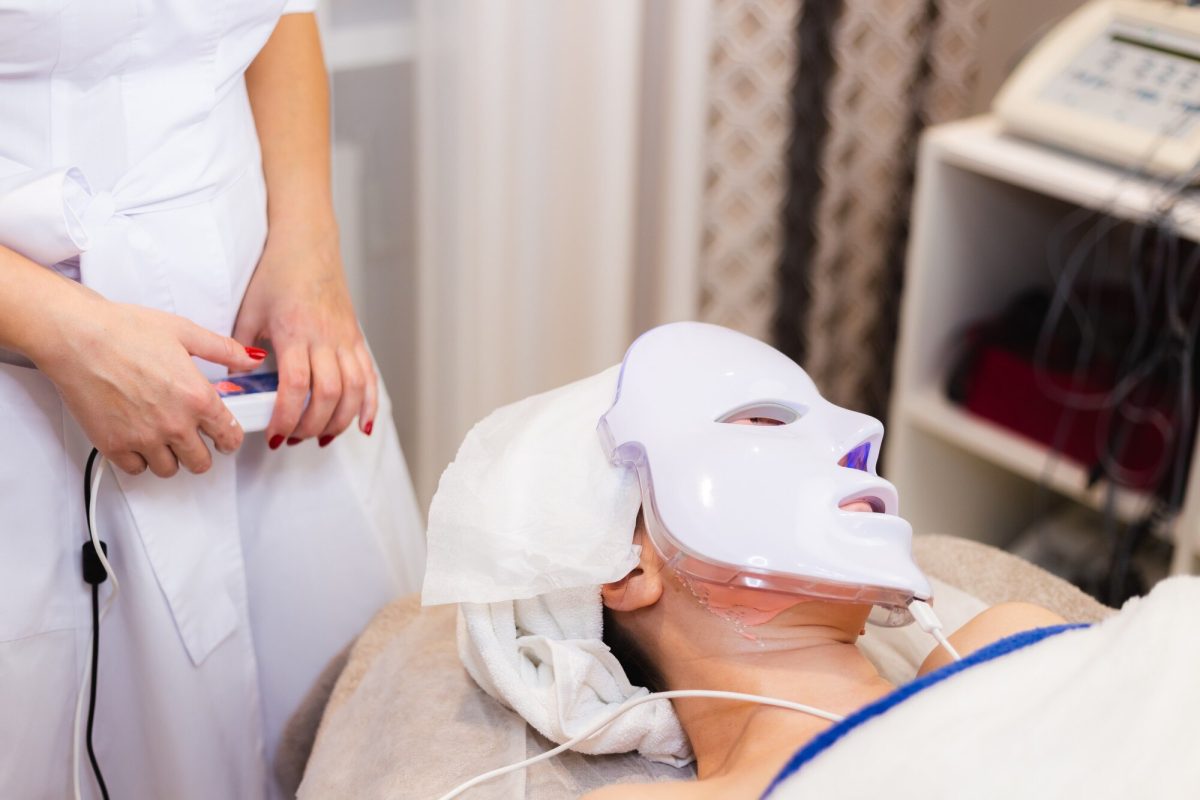
| LED / red light therapy | Specific light wavelengths calm inflammation or target acne bacteria | Anti-ageing, acne-prone skin, gradual improvement | None |
| Microcurrent (Sculpt & Tone) | Muscle stimulation lifts and tones the face | Sagging, puffiness, definition | None |
| Gua Sha | Manual lymphatic drainage technique using stone tools | Tension release, mild lifting, relaxation | None |
Matching the Treatment to Your Skin Concern
Acne-prone skin tends to respond best to deep cleansing and calming treatments — think a proper deep cleanse facial combined with blue-light elements — rather than aggressive resurfacing, which can aggravate active breakouts.
Ageing or lax skin usually sees more visible, longer-term change from treatments that stimulate collagen: microneedling, red light therapy, and microcurrent toning. A hydro facial is a good complement for immediate plumpness, but it won’t deliver the same structural change on its own.
Sensitive or reactive skin is generally safest starting with oxygen facials or gentle hydro treatments, introducing more intensive options gradually as the skin’s tolerance becomes clear.
Pigmentation or uneven tone is better addressed with a targeted chemical peel than with hydration-focused treatments, since the mechanism needed is different — surface renewal rather than moisture.
This is exactly why bespoke, consultation-led facials tend to outperform picking a treatment off a menu by name alone. The best results usually come from combining elements — a deep cleanse with LED, for example — rather than sticking rigidly to one modality.
What These Treatments Typically Cost and How Long They Take
Pricing varies by treatment and is usually confirmed at consultation, since add-ons like LED, microdermabrasion, or chemical resurfacing can be included depending on what your skin needs. As a general guide, most facial treatments run 60–70 minutes, with specialised treatments like Gua Sha and stone therapy around 50 minutes (from £110). It’s worth asking for a personalised quote once your skin has been properly assessed, rather than comparing prices blind across salons — the treatment plan itself can differ significantly even under the same “facial” name.
How Often You Should Book
- Hydro and oxygen facials are gentle enough for a monthly routine.
- Microneedling typically works as a course — often four to six sessions, three to four weeks apart — followed by maintenance every few months.
- LED and light therapy benefits build cumulatively, so weekly or fortnightly sessions are common before spacing out to maintenance.
- Microcurrent and Gua Sha treatments can be booked more flexibly, depending on how quickly you want to see lifting or relaxation effects maintained.
An experienced facialist will adjust this schedule based on how your skin actually responds, rather than applying the same interval to everyone.
Quick Answers
What’s the difference between a hydro facial and an oxygen facial?
A hydro facial focuses on deep cleansing and serum infusion for hydration; an oxygen facial focuses on circulation and gentle radiance, and tends to suit more sensitive skin.
Is microneedling painful?
Most people describe it as mildly uncomfortable rather than painful, with some redness for a day or two afterward that settles quickly.
How soon will I see results from LED light therapy?
Benefits build gradually over a course of sessions rather than after a single visit — consistency matters more than any one appointment.
Can I combine treatments in one appointment? Yes — many facials, like a deep cleanse combined with LED or microdermabrasion, are designed to be layered based on what your skin needs.
At Velvet Skin, every facial begins with a real consultation rather than a fixed menu choice. Explore our personalised skin treatments in West Kensington, including the Pure Oxygen Detox facial, Signature Deep Cleanse facials, and Celluma PRO light therapy. If your skin needs a more holistic approach, our Holistic Harmony Facial and Face Reflexology treatments are worth exploring too. Get in touch to talk through which treatment is right for you.
